
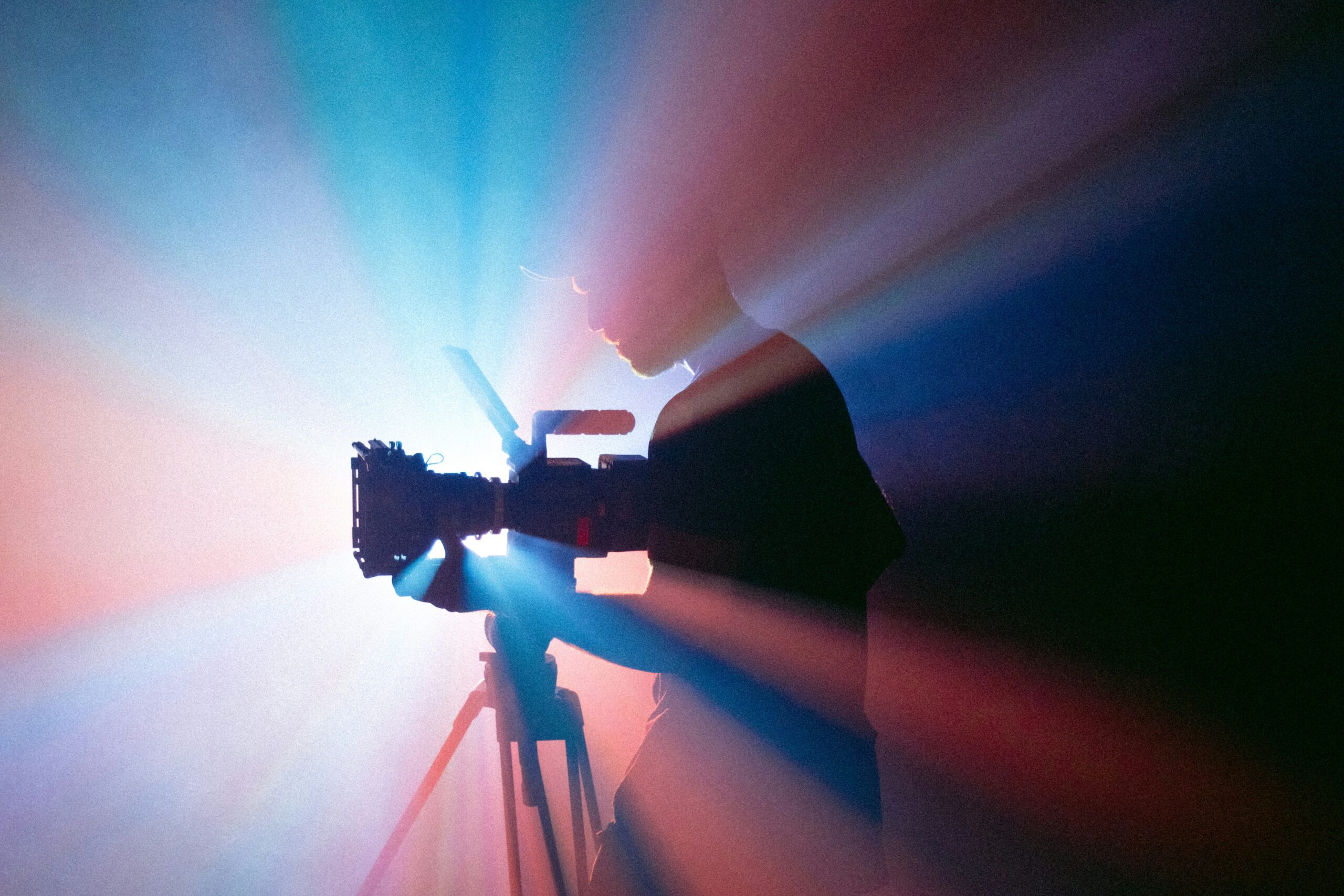
In modern filmmaking, social media is almost as important as a sharp script or polished edit. It is where careers are discovered, connections are built, and work is seen. For many creatives, the idea of learning yet another platform can feel as stressful as losing a location on shoot day. Yet in today’s digital landscape, social media is not just a place for memes and pet videos. It functions as a non-stop networking event, a personal marketing engine, and a direct bridge to future collaborators, clients, and fans. So settle in, grab a coffee, and explore how social media can become a powerful extension of any filmmaking journey.
Why Social Media Matters for FilmMakers
Social media is no longer just a place for casual vacation photos. For filmmakers, it has become part of the professional toolkit. Often, an Instagram profile or TikTok page is the first touchpoint a producer, festival programmer, or potential client sees, long before they watch a reel or visit a website. A strong and intentional presence can influence whether someone takes the next step and reaches out. Think of social media as a free marketing channel that runs every hour of the day. It allows filmmakers to:
- Showcase finished projects and works in progress
- Highlight skills and specialties
- Network with other industry professionals
- Attract collaborators, clients, and opportunities
Even if someone does not see themselves as an influencer, they can still use these platforms in a strategic way. With a few clear habits and smart choices, it becomes much easier to grow your online presence fast and safely while staying authentic to personal style and vision.
Choosing The Right Handle
A social handle works like the opening shot of a film. It creates an immediate first impression and sets expectations. Keep it simple, professional, and easy to remember. Ideally, use a real name or industry name instead of something random like @coffeelover27. When a name is already taken, small variations can help, such as:
- @sarah.jones.film
- @sarahjones_director
- @sarahjonesdp
If a different handle must be used, make sure the display name in the profile clearly shows the real name so people can still search and recognize it. The profile photo matters too. A clear, well lit headshot or on set photo usually works best. It should feel consistent with the overall brand and be recognizable even as a small icon.
Optimize your BIO
The bio area is a compact pitch. It tells visitors who you are, what you do, and why they should care, all in a very small space. Treat it like a short trailer for a filmmaking career. Useful elements to include are:
- Role in the industry, such as director, cinematographer, editor, producer
- Genre or niche, such as documentaries, sci fi, horror, experimental, branded content
- Current projects, recent credits, or key achievements
- A personal detail or hobby that adds personality
For example, a bio might look like:
“Director & editor based in LA. Doc and festival shorts. Obsessed with natural light and character driven stories.” AI writing tools such as ChatGPT can help craft a clear and punchy bio that fits the character limit. Emojis can save space and signal tone, as long as they are used thoughtfully and not in excess. Including a link is essential. Link services like Linktree or Set.page make it possible to share a website, reel, portfolio, and current project in one place. If the filmmaker has an agent or manager, adding that handle in the bio increases credibility and makes outreach easier.
Tell your story with CONTENT
What should filmmakers actually post? The best answer is simple. Share content that feels real, aligned with the work, and sustainable over time.
For a cinematographer, this might include:
- Stills from recent shoots
- Behind the scenes snapshots
- Lighting setups and gear breakdowns
- Before and after color grade comparisons
- Crew photos that highlight collaboration
- For a director, content could focus on:
- Storyboards and shot lists
- Short clips from set
- Casting updates
- Festival news and behind the scenes moments
Educational content is especially powerful. It often attracts saves, shares, and comments, which sends positive signals to the platform. Examples include short tips on camera movement, lighting diagrams, script breakdowns, or quick tutorials that show how a specific shot was achieved. Trends can be useful, but they should not drive every decision. Authenticity will build a loyal and engaged audience much more effectively than copying whatever is currently popular. Share what truly represents your voice as a filmmaker and the type of work you want to be known for.